


Recurring giving is not failing because donors do not care.
It is failing because something is breaking before they ever say yes.
In this conversation, we look at what quietly happens in the moments leading up to a recurring gift, and how thoughtful systems can turn one-time supporters into lasting participants in the mission.
Read Full Transcript
Darrin: Okay, we are live. Hi everyone, my name is Darren Cook. I am the founder and chief architect of My Mogul Media.
And today I have a very special guest that you all should know by now, Miss Jenna Lynch with Donorbox.
Jenna is Head of Community Engagement with Donorbox. But Jenna, how are you? It's always so good to do these lives with you. I was just saying what a perfect way to spend a rainy Atlanta afternoon talking about recurring giving and spending time with My Mogul Media.
Jenna: Thank you. Thank you.
Darrin: And I know you've been traveling. I've been keeping up with you on LinkedIn, all of the nonprofit conferences and everything. Wow.
Jenna: Tis the season, let me tell you. We've got a few more on the roster, but Q2 is always about just spending time in the field, getting to chat with people.
Jenna: So, the last one in Philadelphia was the American Alliance of Museums Conference. And so, just walking the expo hall is like walking around a million different museums. It's so creative and so cool.
Jenna: I was living my best life.
Darrin: I have to add that to my list to go. That sounds amazing. Was the weather nice in Philly?
Jenna: No. It was cold and rainy. It was cold and rainy, but the food is always good.
Jenna: So, I ended the trip with going to Reading Terminal Market. So, anybody who may be familiar, it's like the Ponce City Market for us, Darren.
Darrin: Okay.
Jenna: And with their signature Federal Donuts. Best donut you'll ever have in the world. It's like this cake donut.
Jenna: So, you know what? I left with a full heart and a full stomach.
Darrin: That sounds good. Oh my God. And I've been craving donuts, but I've been so good at the gym and I'm like, I'm not going to do it.
Jenna: Let me not tempt you.
Darrin: Yeah. Yeah. Yeah.
Darrin: But I haven't seen you in person since Connect Dallas, which was amazing. I'm so looking forward to our next ones.
Darrin: But we can talk about it. So, let's go on and jump right in if you don't mind.
Jenna: Let's do it.
Darrin: So, today we're talking about why recurring giving fails before it starts.
Darrin: And I know it's a hot topic. I see this from my angle. You see it from your angle with fundraising at Donorbox.
Darrin: And I would love just to talk about practical advice.
Darrin: Jenna, I believe, and I would love to get your opinion, nonprofit and mission-based leaders who we talk to do not have a shortage of passion.
Darrin: They are running on tremendous amounts of passion.
Darrin: However, if passion was the only thing needed, then I wouldn't have a job. We would not be here having this conversation.
Darrin: But unfortunately, that is not the case.
Darrin: So, a few things I want to keep in front of mind for our audience.
Darrin: The first thing: recurring giving is built on trust and not just tools.
Darrin: And it's important to know that. And we all know this. I'm stating the obvious.
Darrin: Donors are not transactions.
Darrin: They are relationships.
Darrin: So, Jenna, I'm so excited to have this conversation today because recurring giving is something so many organizations want to build, but it often does not gain the traction they expect.
Jenna: Right.
Darrin: So, I want to start here.
Darrin: When recurring giving struggles occur, what is usually happening before a donor ever makes their first commitment?
Darrin: Can we start there?
Jenna: Yeah. This is a good place to kick us off because I've had so many conversations.
Jenna: Like you said, there's no shortage of passion.
Darrin: Absolutely.
Jenna: Need and also generosity.
Jenna: And I've talked to, throughout my years with Donorbox, throughout my years in the nonprofit space with my boots on the ground, I've heard so many times, “People just don't want to give every month.”
Jenna: And that's not the case.
Jenna: I think a lot of organizations jump straight to, “We're not getting monthly donors. We're just not getting them.”
Jenna: Before asking whether recurring giving feels visible to their donors, feels meaningful, feels emotionally compelling in the first place.
Jenna: Like, is it an obvious option for your donors?
Jenna: Are you actually talking about it consistently to your supporters?
Jenna: Or is there just a tiny checkbox buried at the bottom of your donation form that says “Make this monthly,” and you're hoping donors magically notice it?
Jenna: Because that's not really a strategy.
Jenna: And I think some folks can mix that up.
Jenna: “Hey, we're offering it. It's in there as an option.”
Jenna: But honestly, the data backs that up.
Jenna: One thing we've highlighted in a Donorbox ebook that I'm actually going to share at the end of the session is that something like 91% of organizations don't even have a dedicated Give Monthly button on their homepage.
Darrin: Hmm.
Jenna: It's kind of wild when you think about how many nonprofits say monthly giving or recurring giving is a priority.
Jenna: Because if it's hard to find, donors are going to assume it's not actually important to your organization.
Jenna: And then the second thing, and then I'll get off my soapbox, is I always think about friction, right?
Jenna: This is my job as the donation form nerd at Donorbox.
Jenna: Is it easy?
Jenna: Recurring giving is emotional, right? But it's trust-based.
Jenna: Someone's not just deciding to give once. You're asking them to change a habit.
Jenna: You're asking them to stay connected over time and to trust you enough to do that.
Jenna: So, if the process feels clunky or confusing or even slightly stressful, people hesitate.
Jenna: And something we see a lot at Donorbox is small experience tweaks make a surprisingly big difference.
Jenna: Faster checkout. Mobile-friendly forms. The option being right there between one-time and monthly.
Jenna: Making it all upfront is a big difference.
Jenna: But honestly, even before the tools piece, I think organizations need to communicate the impact of recurring giving better.
Jenna: Before they even get to your form to give monthly, what are you communicating?
Jenna: What does that look like?
Jenna: Donors are not just sitting around thinking, “Wow, I'd really love to improve this nonprofit's revenue predictability.”
Darrin: Yeah. Right.
Jenna: That's not the emotional driver.
Jenna: They're thinking, “What difference does this actually make?”
Jenna: “What changes does this support?”
Jenna: “Is there a community that I'm going to be a part of?”
Jenna: So instead of saying, “Hey, become a monthly donor,” it's:
Jenna: “Your monthly support helps make sure families get groceries every month.”
Jenna: “Your monthly support helps make sure ten animals are spayed and neutered this month.”
Jenna: That is concrete.
Jenna: That is emotional continuity.
Jenna: And honestly, I think recurring giving works best when it doesn't feel like a payment structure and more like ongoing participation in a mission.
Jenna: So, going back to your question, I think what people miss if they feel like it's failing before it starts is because they're not thinking about it as a whole program and experience.
Jenna: They're just thinking about it as an option they're offering donors and putting it on them to decide if it's worth it instead of conveying that message.
Darrin: No, I agree. I agree.
Darrin: Everything you said, I was just digesting because I definitely agree.
Darrin: From my lens, and I'd love to pass it back to you before I go to my next point, when somebody is visiting your website as the end user, I've trained myself to always come out of my standpoint and look through the end user's perspective.
Jenna: Yes.
Darrin: I think organizations assume, and we all do this when we're living and breathing our work, that everyone knows what we know.
Darrin: We know our data. We know our programs. We assume everyone else knows this too.
Darrin: So, like you're saying, if I go to somebody's website and I see recurring giving hidden at the bottom or in small print, the organization is thinking, “Oh, Darrin will know he should donate every month.”
Darrin: No, it's not obvious.
Darrin: So, you have to state the obvious.
Darrin: And also, I think the disconnect could be that organizations spend so much time building these huge campaigns—year-end giving, Giving Tuesday—that we build relationships and attachments with campaigns instead of the organization itself.
Darrin: So when the campaign is over, the momentum is over.
Darrin: I'd love to get your take on that.
Jenna: Yes. That is such a great point.
Jenna: And I think that can absolutely be true.
Jenna: Like you said, there are these exciting time-bound campaigns.
Jenna: We know Giving Tuesday happens every year.
Jenna: We know year-end giving is coming.
Jenna: We know that push starts after Giving Tuesday and builds all the way through the end of the year.
Jenna: And then all of a sudden, it drops off.
Jenna: Then it's, “Hey, we're having a gala.”
Jenna: “Hey, we're doing a summer campaign.”
Jenna: And it's not often that organizations think about making even those recurring opportunities.
Jenna: So, like you said, donors get connected to the amazing 360-degree marketing campaign your organization has put together.
Jenna: They come to expect that.
Jenna: And that's excellent.
Jenna: They may come back every year for that campaign.
Jenna: But what is their involvement afterwards?
Jenna: By no means do I think those campaigns are a bad idea. I don't think they are.
Jenna: But what matters is the invitation afterwards.
Jenna: Now you've got loyal supporters from Giving Tuesday, from year-end, from your gala.
Jenna: How are you stewarding those people into a community that is consistently supporting your organization?
Jenna: And that doesn't always have to be recurring giving, although that's great.
Jenna: It may be that they're consistently sharing your newsletter, sharing your updates, engaging with your social media outside of those exciting campaigns.
Jenna: So, the best thing you can do if you're one of those organizations that has these campaigns on the calendar every year is to think about your follow-up sequences.
Jenna: Think about the donor journey.
Jenna: After someone has given or engaged with that campaign in some way, invite them to be part of the community in a bigger way.
Jenna: This is not just “Give $10 a month.”
Jenna: It's “Be part of this.”
Jenna: And I think people are really looking for that community piece.
Jenna: That shifts the narrative from “You are a donor” to “You are part of this mission with us.”
Darrin: I love that.
Darrin: One of the things I've noticed is that organizations often spend so much energy trying to acquire new donors that they forget about the people who already raised their hand and said, “I care.”
Darrin: And sometimes the difference between a one-time donor and a long-term supporter is simply communication.
Darrin: It's making them feel seen.
Darrin: It's reminding them that their gift mattered.
Darrin: It's showing them that they're part of something bigger than a transaction.
Jenna: Absolutely.
Jenna: And honestly, I think that's one of the biggest missed opportunities in the nonprofit space.
Jenna: We spend a lot of time talking about donor acquisition because that's exciting.
Jenna: It's measurable.
Jenna: It's easy to put numbers around.
Jenna: But retention is where the real sustainability comes from.
Jenna: If someone already trusts you enough to make a gift, you've already accomplished something significant.
Jenna: They've chosen your organization out of thousands of causes they could support.
Jenna: That's not a small thing.
Jenna: So the question becomes: what happens next?
Jenna: Do they receive a generic receipt and never hear from you again?
Jenna: Or do they begin a relationship?
Jenna: Because donors don't just want acknowledgment.
Jenna: They want connection.
Jenna: They want to know that what they did mattered.
Jenna: They want to see the impact.
Jenna: They want to feel like they're part of the story.
Darrin: That's so true.
Darrin: And I think organizations sometimes underestimate how much people actually want to hear from them.
Darrin: There's this fear of sending too many emails.
Darrin: There's this fear of overwhelming supporters.
Darrin: But if the communication is valuable and meaningful, people appreciate it.
Darrin: Nobody complains about hearing good news.
Darrin: Nobody complains about seeing the impact they're helping create.
Jenna: Exactly.
Jenna: And that's where storytelling becomes so important.
Jenna: Not every email needs to ask for money.
Jenna: In fact, many of them shouldn't.
Jenna: Some of the strongest donor relationships are built through consistent storytelling.
Jenna: Sharing updates.
Jenna: Sharing wins.
Jenna: Sharing challenges.
Jenna: Letting supporters see behind the curtain.
Jenna: Letting them understand the real work that's happening because of their support.
Darrin: I think that's an important point.
Darrin: Because a lot of organizations feel pressure to constantly present themselves as successful.
Darrin: Everything has to look polished.
Darrin: Everything has to look perfect.
Darrin: But people connect with authenticity.
Darrin: People connect with real stories.
Darrin: They connect with progress, not perfection.
Jenna: One hundred percent.
Jenna: Authenticity builds trust.
Jenna: And trust is really the foundation of fundraising.
Jenna: If people trust your organization, they're more likely to give.
Jenna: They're more likely to stay involved.
Jenna: They're more likely to advocate for you.
Jenna: They're more likely to tell their friends.
Jenna: Trust drives everything.
Darrin: Speaking of advocacy, that's something I wanted to ask you about.
Darrin: We spend a lot of time talking about donors.
Darrin: But some of the most valuable supporters aren't necessarily the people giving the largest gifts.
Darrin: Sometimes they're the people who consistently talk about your organization.
Darrin: The people who bring others into your community.
Darrin: The people who become ambassadors.
Darrin: How should nonprofits think about that?
Jenna: I love that question.
Jenna: Because advocacy is one of those things that's difficult to measure but incredibly valuable.
Jenna: Some of your biggest champions may never make a major gift.
Jenna: But they might introduce you to someone who does.
Jenna: They might share your content every week.
Jenna: They might volunteer.
Jenna: They might bring friends to your events.
Jenna: They might become trusted voices in your community.
Jenna: And organizations should absolutely celebrate those people.
Jenna: Because impact doesn't only come through dollars.
Jenna: It comes through relationships.
Jenna: It comes through networks.
Jenna: It comes through people sharing your mission with others.
Darrin: That's such a good perspective.
Darrin: And I think it reinforces the idea that fundraising is really about people.
Darrin: Technology matters.
Darrin: Strategy matters.
Darrin: Systems matter.
Darrin: But at the end of the day, it's still people connecting with people.
Jenna: Exactly.
Jenna: The tools support the relationship.
Jenna: They don't replace it.
Jenna: And the organizations that understand that tend to build stronger communities, stronger donor programs, and stronger long-term support.
Darrin: Speaking of change, let's talk a little bit about Goodwill and some of the work you're doing today.
Darrin: For people who may only know Goodwill from dropping off donations or shopping in the stores, what are some of the things they might not know about the organization?
Jenna: Well, first of all, that's one of my favorite questions because so many people do think of Goodwill only as a thrift store.
Jenna: The thrift stores are important, but they are really the engine that powers the mission.
Jenna: The stores generate revenue that allows us to provide workforce development services, job training, coaching, and support for people who face barriers to employment.
Jenna: Every donation that comes through our doors becomes an opportunity.
Jenna: It becomes job training.
Jenna: It becomes career coaching.
Jenna: It becomes support for someone who is trying to get back on their feet.
Jenna: That's really what we're about.
Jenna: We help people find work, keep work, and advance in work.
Darrin: That's powerful.
Darrin: And I think that's a message that a lot of people need to hear because the impact goes so much deeper than what people see from the outside.
Jenna: Absolutely.
Jenna: We serve people who have experienced all kinds of barriers.
Jenna: It could be a disability.
Jenna: It could be a lack of transportation.
Jenna: It could be a criminal background.
Jenna: It could be a lack of education.
Jenna: It could be an injury.
Jenna: It could be someone who has simply been out of the workforce for a long period of time.
Jenna: Every person's story is different.
Jenna: That's why we don't believe in one-size-fits-all solutions.
Jenna: We meet people where they are.
Jenna: Then we help them build a plan for where they want to go.
Darrin: I love that because it really comes back to dignity.
Darrin: You're not trying to force people into a mold.
Darrin: You're helping them discover what's possible for themselves.
Jenna: Exactly.
Jenna: You can't build a future for someone without first understanding who they are.
Jenna: You have to understand their strengths.
Jenna: You have to understand their experiences.
Jenna: You have to understand their goals.
Jenna: Then you can begin putting together the tools and resources that help them move forward.
Darrin: One thing that really stands out to me when I hear you talk is how much emphasis you place on systems.
Darrin: Not just motivation.
Darrin: Not just inspiration.
Darrin: But actual systems that create sustainable outcomes.
Jenna: Absolutely.
Jenna: Motivation is wonderful.
Jenna: Inspiration is wonderful.
Jenna: But motivation without systems doesn't last very long.
Jenna: People need structure.
Jenna: They need processes.
Jenna: They need support.
Jenna: They need accountability.
Jenna: And organizations need those things too.
Jenna: If you want to scale impact, you can't rely on memory.
Jenna: You can't rely on one person knowing how everything works.
Jenna: You have to build systems that allow success to be repeated consistently.
Darrin: That's such an important lesson.
Darrin: Especially for nonprofit leaders who are trying to do more with limited resources.
Darrin: They often feel like they have to carry everything themselves.
Jenna: And that's one of the quickest paths to burnout.
Jenna: If everything depends on one person, eventually that person becomes the bottleneck.
Jenna: That's why documentation matters.
Jenna: Training matters.
Jenna: Technology matters.
Jenna: Systems matter.
Jenna: They create freedom.
Jenna: They create consistency.
Jenna: They create sustainability.
Darrin: Let me ask you this too because I'm glad you segued us exactly where we need to be.
Darrin: Now you're in my brain.
Jenna: That means we're just in sync.
Darrin: I love that.
Darrin: Talk a little bit about the systems you put in place at Goodwill East Texas so that you can continue serving people while also protecting your team from burnout.
Jenna: That was a major hurdle to overcome.
Jenna: When I arrived, many of our systems were homegrown.
Jenna: We were using Excel spreadsheets and Word documents for a lot of our processes.
Jenna: In retail, we had a point-of-sale system, but it was antiquated.
Jenna: It was no longer supported.
Jenna: It couldn't provide the reporting we really needed.
Jenna: It was basically functioning like a cash register with limited reporting capabilities.
Darrin: Oh wow. Got it.
Jenna: So we started making intentional investments in infrastructure.
Jenna: We had already budgeted for some improvements, but we were able to accelerate that work significantly when we received a $5 million gift from MacKenzie Scott.
Jenna: We invested roughly half of that funding directly into infrastructure.
Darrin: That's incredible.
Jenna: The first area we focused on was mission services because mission always comes first.
Jenna: We wanted to reduce paperwork so our team could spend more time working directly with clients instead of managing administrative tasks.
Jenna: We implemented a CRM system that eliminated a lot of duplicate and even triplicate data entry.
Jenna: That immediately gave our staff more time to serve people.
Darrin: That's huge.
Jenna: We also modernized our HR systems.
Jenna: When I first came here, we were literally using punch clocks.
Darrin: No way.
Jenna: Yes. Actual punch clocks.
Jenna: Today, employees can access schedules, benefits, PTO requests, open enrollment, and other HR resources through a digital system.
Jenna: It's a completely different experience.
Darrin: That's a massive transformation.
Jenna: It really is.
Jenna: We also upgraded our accounting systems.
Jenna: In fact, the efficiencies created by those upgrades helped us avoid adding positions we originally thought we would need.
Darrin: That's interesting.
Darrin: So what I'm hearing is that once you improved the infrastructure, you identified gaps that technology could solve without automatically adding more staff.
Jenna: Exactly.
Jenna: Technology doesn't replace people.
Jenna: It allows people to spend their time doing the work that only people can do.
Jenna: Building relationships.
Jenna: Coaching.
Jenna: Supporting clients.
Jenna: Solving problems.
Darrin: That's something we talk about all the time at My Mogul Media.
Darrin: There is no perfect system.
Darrin: Everything starts with version one.
Darrin: I always tell people it's okay to be iPhone One.
Darrin: You don't have to start as iPhone Sixteen.
Jenna: Exactly.
Jenna: One of the biggest mistakes organizations make is buying systems that are far more advanced than what they actually need.
Jenna: They purchase something because it looks impressive.
Jenna: Then they only use a fraction of its capabilities.
Jenna: Usually because they don't even know what questions to ask yet.
Darrin: That's such a good point.
Jenna: Start with what you need.
Jenna: Learn it.
Jenna: Master it.
Jenna: Then scale as your organization grows.
Jenna: Your systems should grow with your capacity.
Jenna: Not ahead of it.
Darrin: I have another question for you, particularly for nonprofit leaders who look at an organization like Goodwill and aspire to create that kind of long-term impact.
Darrin: What does it take to balance mission delivery with revenue sustainability?
Jenna: That's a million-dollar question.
Jenna: In fact, it's probably a multi-million-dollar question.
Darrin: I figured you'd say that.
Jenna: One of the biggest dangers for nonprofits is mission drift.
Jenna: When funding becomes scarce, organizations sometimes start chasing dollars instead of focusing on their purpose.
Jenna: That's why it's important to regularly evaluate your mission.
Jenna: At least once a year, you should ask yourself, "Are we still doing what we were created to do?"
Jenna: "Are we serving the people we're supposed to serve?"
Jenna: "Are we creating the outcomes we intended to create?"
Darrin: That's powerful.
Jenna: And sometimes the answer is realizing that someone else is already doing a particular service better than you can.
Jenna: In those situations, partnership may be a better solution than duplication.
Jenna: Maybe they refer clients to you.
Jenna: Maybe you refer clients to them.
Jenna: Maybe you split responsibilities.
Jenna: The goal isn't ownership.
Jenna: The goal is impact.
Darrin: That's such an important distinction.
Jenna: Most nonprofits don't have unlimited resources.
Jenna: We don't have unlimited staff.
Jenna: We don't have unlimited funding.
Jenna: We don't have unlimited time.
Jenna: So we have to be strategic.
Jenna: We have to focus on what we do best.
Jenna: And then partner with organizations whose strengths complement ours.
Darrin: Especially now when funding is getting tighter.
Jenna: Absolutely.
Jenna: We've seen significant changes in funding streams over the last few years.
Jenna: Government programs are changing.
Jenna: Grant requirements are changing.
Jenna: Donor expectations are changing.
Jenna: Organizations can no longer depend on the same resources they relied on five or ten years ago.
Jenna: That's forcing leaders to become more creative and more strategic.
Darrin: I spoke with several nonprofit leaders recently who mentioned talent shortages as well.
Darrin: Is that something you're seeing?
Jenna: Absolutely.
Jenna: I had a conversation with a colleague recently who made the difficult decision to sunset one of her programs.
Darrin: Really?
Jenna: Yes.
Jenna: And it wasn't just a funding issue.
Jenna: They couldn't find the talent needed to run the program.
Jenna: The position had been open for a long time.
Jenna: Even when they found candidates, retention became a challenge.
Jenna: Eventually they had to ask themselves whether it made sense to continue offering a service they couldn't reliably deliver.
Darrin: That's interesting because we hear so many stories about people looking for work, but we don't often hear about organizations struggling to find talent.
Jenna: That's exactly right.
Jenna: One of my concerns is that we're heading toward a workforce shortage.
Jenna: There are projections showing that by 2030 we may not have enough workers to fill all of the available roles.
Jenna: There are several reasons for that.
Jenna: Demographics are changing.
Jenna: People are having fewer children.
Jenna: Career expectations are changing.
Jenna: The definition of work itself is changing.
Darrin: That's a fascinating point.
Jenna: Many people aren't following traditional employment paths anymore.
Jenna: Some are working as consultants.
Jenna: Some are doing freelance work.
Jenna: Some are building portfolio careers.
Jenna: Others are participating in the gig economy.
Jenna: They're designing work around their lives instead of designing their lives around work.
Darrin: We're definitely seeing more of that.
Jenna: Which means employers and workforce development organizations have to rethink their assumptions.
Jenna: We have to ask ourselves:
Jenna: What does work look like now?
Jenna: What will work look like five years from now?
Jenna: Which services are still needed?
Jenna: Which systems need to evolve?
Jenna: And how can technology help us continue delivering impact with fewer resources?
Darrin: That's a great transition because it really comes back to systems and partnerships.
Jenna: Exactly.
Jenna: Nobody succeeds alone.
Jenna: Strong organizations build strong partnerships.
Jenna: And those partnerships allow everyone involved to create greater impact than they could create on their own.
Darrin: One thing you mentioned earlier that really stood out to me was partnerships.
Darrin: I think a lot of organizations feel pressure to build everything themselves.
Darrin: They want their logo on everything.
Darrin: They want ownership of every initiative.
Darrin: Why do you think that happens?
Jenna: Well, part of it is name recognition.
Jenna: Organizations want visibility.
Jenna: They want to be known.
Jenna: They want people to associate solutions with their brand.
Jenna: Sometimes it's about authority.
Jenna: Organizations want to be seen as leaders in a particular space.
Jenna: And sometimes, if we're being honest, it's ego.
Jenna: People want their name attached to things.
Darrin: That's a real answer.
Jenna: It is.
Jenna: But the reality is there are already so many excellent resources available.
Jenna: There are systems that already exist.
Jenna: There are organizations already doing outstanding work.
Jenna: The question becomes: do you need to build it yourself?
Darrin: That's a powerful question.
Jenna: It really is.
Jenna: For example, I don't need Goodwill's name on every piece of software we use.
Jenna: Software development isn't our expertise.
Jenna: Workforce development is our expertise.
Jenna: Helping people overcome barriers is our expertise.
Jenna: Building pathways to employment is our expertise.
Jenna: That's where our focus should remain.
Darrin: Stay in your lane.
Jenna: Exactly.
Jenna: Stay in your lane and partner with experts in theirs.
Jenna: That's how everyone wins.
Darrin: I love that.
Darrin: Talk a little more about partnerships because I know that's something you've built very intentionally throughout your career.
Jenna: Partnerships are essential.
Jenna: No nonprofit can do everything.
Jenna: No business can do everything.
Jenna: Partnerships allow organizations to share resources.
Jenna: Sometimes that's money.
Jenna: Sometimes it's staff.
Jenna: Sometimes it's expertise.
Jenna: Sometimes it's simply access to a different audience.
Jenna: But the key is alignment.
Darrin: Explain that.
Jenna: Before entering a partnership, you have to understand whether your missions align.
Jenna: You need to know what they stand for.
Jenna: You need to understand how they operate.
Jenna: You need to know whether their values are compatible with yours.
Jenna: If you're talking apples and they're talking oranges, that's going to be a difficult partnership.
Darrin: Absolutely.
Jenna: But when there's alignment, partnerships become incredibly powerful.
Jenna: Each organization brings its strengths.
Jenna: Each organization contributes resources.
Jenna: Each organization helps create outcomes that neither could achieve alone.
Darrin: That's something grantmakers look for too.
Jenna: Absolutely.
Jenna: Foundations want to see alignment.
Jenna: They want to know that your mission aligns with theirs.
Jenna: They want to know that you're solving a real problem.
Jenna: And they want proof.
Darrin: That's exactly where I was going next.
Darrin: Proof matters.
Darrin: It's not enough to have a good idea.
Darrin: You have to demonstrate results.
Jenna: Correct.
Jenna: You need data.
Jenna: You need reporting.
Jenna: You need measurable outcomes.
Jenna: You need to be able to show what you've accomplished.
Jenna: That's why systems are so important.
Jenna: Without systems, you can't accurately measure your impact.
Jenna: Without systems, you can't demonstrate growth.
Jenna: Without systems, you can't prove scalability.
Darrin: That's such an important lesson.
Jenna: If someone asks where you are today, where you were three years ago, and where you're going in the next five years, you should be able to answer that.
Jenna: Not with guesses.
Jenna: With data.
Jenna: With evidence.
Jenna: With results.
Darrin: And that's what creates trust.
Jenna: Exactly.
Jenna: Trust is built when people can see both your mission and your outcomes.
Darrin: Let me ask you this because we're almost out of time and I want to be respectful of your schedule.
Darrin: What's one program or service you wish more people understood?
Darrin: It could be something Goodwill offers.
Darrin: It could be something available to nonprofit leaders.
Darrin: What's something you think more people should be paying attention to right now?
Jenna: Honestly, I would say AI.
Darrin: Really?
Jenna: Absolutely.
Jenna: I know people are talking about it everywhere right now, but it's because it's impacting everything.
Jenna: It doesn't matter whether you're in a nonprofit, a business, marketing, finance, operations, workforce development, or education.
Jenna: AI is changing how work gets done.
Jenna: We're using it across every department in our organization.
Jenna: We're still learning.
Jenna: We're still experimenting.
Jenna: But we're finding new ways to save time and improve efficiency.
Darrin: That's something we talk about constantly.
Jenna: And the important thing is that AI isn't replacing people.
Jenna: It's supplementing what people already do.
Jenna: It helps analyze data.
Jenna: It helps organize information.
Jenna: It helps identify trends.
Jenna: It helps people make better decisions faster.
Jenna: But you still have to think.
Jenna: You still have to evaluate.
Jenna: You still have to lead.
Darrin: Absolutely.
Jenna: One resource I often recommend is Google's AI Essentials program.
Jenna: It's free.
Jenna: It's accessible.
Jenna: And it gives people a strong foundation for understanding how AI works and how to use it responsibly.
Darrin: That's fantastic advice.
Darrin: Let me ask a follow-up question.
Darrin: From a workforce development standpoint, what skills should people focus on if they want to future-proof their careers?
Jenna: Service-oriented skills will always matter.
Jenna: Healthcare.
Jenna: Childcare.
Jenna: Personal services.
Jenna: Anything that requires human interaction and trust.
Jenna: Those aren't going away.
Jenna: But I also think people need to become comfortable with technology.
Jenna: Not just using a phone.
Jenna: Understanding systems.
Jenna: Understanding computers.
Jenna: Understanding how information moves.
Jenna: Understanding how technology supports business operations.
Darrin: That's such an important distinction.
Jenna: It is.
Jenna: We sometimes assume younger generations are technology experts because they're comfortable with smartphones.
Jenna: But professional technology skills are different.
Jenna: Those skills need to be learned.
Jenna: And there is no shame in being a beginner.
Darrin: I love that.
Darrin: Before we wrap up, I'd love to hear one story that has stayed with you throughout your career.
Darrin: A story that reminds you why this work matters.
Jenna: There are so many.
Jenna: But one in particular comes to mind.
Jenna: Shortly after I arrived at Goodwill East Texas, there was a gentleman who came through one of our workforce programs.
Jenna: He had suffered an injury that prevented him from returning to the work he had done his entire life.
Jenna: He didn't know what to do next.
Jenna: He felt defeated.
Jenna: He walked with his head down.
Jenna: He didn't believe he had a future.
Jenna: Every day he would come into the program and interact with participants who faced even greater challenges than his own.
Jenna: Some had cognitive disabilities.
Jenna: Some had physical disabilities.
Jenna: Yet they showed up smiling.
Jenna: They were excited to learn.
Jenna: They were excited to see him.
Jenna: And one day it finally clicked.
Jenna: He realized they had every reason to give up, yet they hadn't.
Jenna: That realization changed everything.
Jenna: Eventually we hired him.
Jenna: And over time he became one of our most impactful team members.
Jenna: Today he serves as our Dream Manager.
Darrin: Wow.
Jenna: His role is helping people identify and pursue their dreams.
Jenna: Whether that's buying their first home.
Jenna: Finishing school.
Jenna: Taking a family vacation.
Jenna: Purchasing a car.
Jenna: Getting promoted.
Jenna: Starting over.
Jenna: He's helped more than a thousand people move closer to the lives they want to build.
Darrin: That's incredible.
Darrin: And I think that's the perfect example of what this conversation has been about.
Darrin: Second chances aren't charity.
Darrin: They're systems.
Darrin: They're leadership.
Darrin: They're belief.
Darrin: They're creating environments where people can see possibilities they couldn't see on their own.
Jenna: Exactly.
Jenna: Every person deserves the opportunity to discover what they're capable of.
Jenna: Sometimes all they need is someone willing to believe in them long enough for them to believe in themselves.
Darrin: That's beautiful.
Darrin: Jenna, thank you so much for spending time with us today.
Darrin: This has been an incredible conversation.
Darrin: I know our audience learned a lot from your experience and your perspective.
Jenna: Thank you for having me.
Jenna: I've really enjoyed the conversation.
Darrin: For everyone listening, how can people stay connected with you?
Jenna: You can find me on LinkedIn.
Jenna: You can visit Goodwill Industries of East Texas online.
Jenna: And you can also find me at MotivationalMuse.com where I share speaking engagements, coaching resources, and other content.
Darrin: Perfect.
Darrin: Thank you again.
Darrin: And thank you to everyone who joined us today.
Darrin: This has been another My Mogul Media conversation.
Darrin: We'll see you next time.
Jenna: Thank you, everyone.

What We Covered
• Why most recurring giving programs stall before a donor clicks
• How language and framing shape whether monthly giving feels generous or transactional
• Where friction shows up on donation forms and how Donorbox closes those gaps
• The post-campaign window most organizations lose to silence
• What it looks like when recurring giving becomes a relationship instead of a transaction
About the Speakers
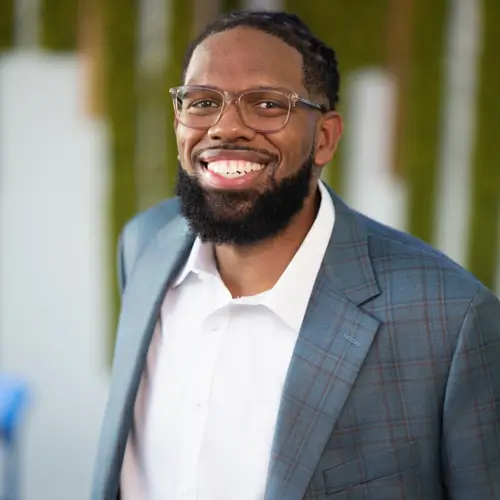


Key Takeaways
• Recurring giving is built on trust, not urgency
• Small points of friction quietly cost monthly donors
• Language shapes whether donors feel asked or invited
• Consistency between campaigns is where retention is earned
• The right tools make recurring giving feel easy for the donor
Ready for More Stability in Your Organization?
If your recurring giving feels inconsistent or heavy, you are not alone.
There comes a point where effort is no longer enough. Structure becomes necessary.
A stronger recurring giving program starts with a clearer system. When donors experience consistency, trust grows. When trust grows, giving becomes sustainable.
Trusted by organizations building alongside partners like Donorbox
Stay Close to These Conversations
We share practical insights on leadership, systems, and
sustainable growth each week.
Simple ideas you can apply immediately.
Related Replays

Systems for Scale: Designing Experiences That Build Trust in Nonprofits
A practical conversation on how everyday experiences shape trust and what it takes to design systems that support consistency as…

Why Predictability Builds Trust in Nonprofit Fundraising
A grounded conversation on how nonprofit leaders can protect donor trust, deepen relationships, and use technology without losing the human…

Your Message Is Getting Lost. Visual Storytelling for Nonprofits
A grounded conversation on mental health, community care, and why lived experience must lead system design.


