


Most organizations are not struggling because they lack effort.
They are navigating systems that were never designed for consistency.
In this conversation, we explore how to move from reactive fundraising to something steady and trusted.
Read Full Transcript
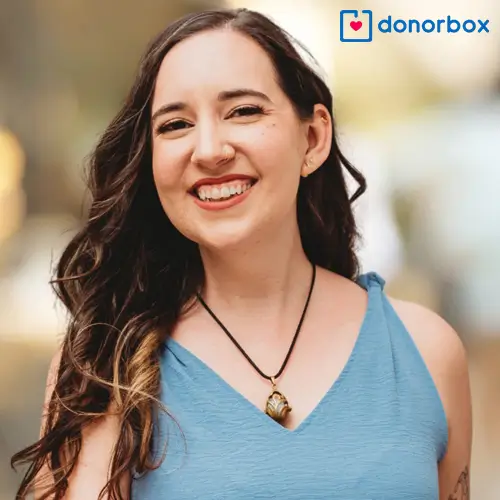
Darrin: Okay, we're live. Hello everyone. My name is Darrin Cook with My Mogul Media, and today I'm excited because I have an incredible guest and a dear friend of mine, Maria. Maria is Partnership Marketing Manager at Donorbox, and she's so much more. She's an amazing storyteller. What I appreciate about Maria is that she brings a level of thoughtfulness to storytelling that you do not always see in this space. You're not just thinking about how stories perform. You're thinking about how they impact the people behind them. So Maria, how are you doing today?
Maria: Happy Monday, Darrin. Happy Monday. I'm feeling good.
Darrin: That's good. That's good. It's actually starting to feel like spring. How's the weather there?
Maria: I am in Tallahassee, Florida, and it's gorgeous out. The pollen is just a smidge less, definitely.
Darrin: That's good. And here in Atlanta, oh my God, I did not take my allergy medicine yet, but you know it's coming. The weather is about 77 degrees, so it feels good. I've been outside and I'm like okay, I can deal with this weather. The heat is coming though.
Maria: I know. I know. We're both in the South, so this is that little window of time between seasons — like the one month of spring that we get.
Darrin: Yes, yes. So let's enjoy it while it lasts.
Maria: Yes.
Darrin: So Maria, let's get right into it. In a world where a lot of organizations are moving quickly and trying to communicate impact fast, you're someone who consistently brings the conversation back to care, dignity, and intention. I'm really glad to have you here. First, can you briefly tell me how your journey led you to storytelling? What inspired you to pursue this path?
Maria: Thank you. What a wild ride it's been. I started my career in the Peace Corps as a health educator and really kicked off my nonprofit career after those two years working in public health in New York City. It was a real joy to be doing communications in a public health context, and I learned a lot there. Public health is one of those places where we have HIPAA regulations, so there are very strong boundaries around storytelling that aren't always present in other sectors.
Maria: I started my career thinking a lot about how to communicate in ways that still protect people's safety. Then I took a break from working in-house at nonprofits and started consulting with organizations across the globe on storytelling. That’s when I was introduced to trauma-informed storytelling, which is work I will continue championing wherever I go.
Maria: Trauma-informed storytelling is the practice of resisting harm while telling stories. We exist to resist harm in our nonprofit work, but sometimes those boundaries get muddy when it comes to storytelling. I’m always thinking about how we can reach our fundraising goals while still honoring and dignifying the people who bravely share their stories.
Maria: I’ve been working with Donorbox for the past two years as an ambassador, and now I’ve moved into the partnership marketing role. It has been such a joy to further support fundraisers and storytellers on both ends. We have a huge responsibility in unpredictable times as nonprofit leaders to make people feel like we can keep going one more day.
Maria: Donorbox has this built into their values — making their platform accessible, easy to use, and powerful at any stage. We can’t just preach slowing down while scrambling behind the scenes. I’m a lifelong storyteller, and I truly believe stories move missions forward and help make the world a healthier and safer place.
Darrin: Thank you for sharing that and giving us some insight into your background. I know you're in the trenches daily like I am. In your conversations with nonprofit leaders lately, what challenges are coming up around storytelling?
Maria: Folks are exhausted. People are really tired. We're getting close to the end of the fiscal year, and organizations are rushing to meet fundraising and marketing goals. Many people are wearing multiple hats and have been carrying a lot for the past few years.
Maria: At the end of the year things feel chaotic with fundraising, then January brings a little breathing room. But by April things pick up again and people feel pressure to push out as many stories as possible and break through the noise.
Maria: At the same time, values-driven organizations are trying to do this work in a way that resists harm and remains ethical. There's an added layer of responsibility to reach goals while maintaining dignity. It's tough.
Maria: I have a lot of love and respect for fundraisers and storytellers because this work is emotionally and mentally demanding, and they keep showing up every day.
Darrin: That's powerful. Let me ask you this — when people are trying to tell stories quickly just to meet goals, why is it important to slow down and tell stories the right way?
Maria: There’s something very human that happens when things feel like they are slowing down — maybe funds are not coming in, maybe stories are not reaching people the way they used to. The instinct is to do more, do it faster, and tap into the most emotional parts of stories.
Maria: Traditionally, that often means tapping into guilt, shame, or anxiety. It can feel like low-hanging fruit to communicate urgency by saying we’re in the red zone or our programs are in danger.
Maria: Whether we’re telling community stories, leadership stories, or fundraising messages, when we are feeling burnt out and rushed, important considerations fall away. Do we have consent for these images? Will this message help donors feel connected long-term? Or are they giving from guilt and building negative associations with our organization?
Maria: Trauma-informed storytelling is not only about caring for the story owner. Our donors are often drawn to our missions because of their own lived experiences. When we rely too heavily on urgency, we forget to care for donors too.
Maria: We often learn in journalism that “if it bleeds, it leads,” but I think we can do this differently. We can tap into emotions like inspiration, awe, and hope. These emotions create space for donors to become more invested in your organization long-term instead of making one-time gifts from a place of distress.
Maria: When we slow down, we create better systems for gathering stories in ways that dignify our communities. We also ensure our audiences receive messages thoughtfully so they feel invited to give from solidarity instead of saviorism.
Maria: I never want people to feel like they cannot share hard truths. Authentic storytelling matters. There is a balance between sharing honest struggles and sharing hopeful impact.
Maria: A helpful formula is this: for every urgent or difficult story, also share two hopeful updates or examples of progress. That way your invitation to give comes from both honesty and possibility.
Darrin: That’s powerful. I definitely want to talk about the tools Donorbox provides to support storytelling, but first I want to ask something specific.
Darrin: Because I know you specialize in trauma-informed storytelling, how do you balance telling someone’s story authentically while protecting their dignity and preventing them from feeling re-triggered or exploited?
Maria: A friend of mine recently said that stories have become widgets. I really appreciated that perspective.
Maria: Stories can move donors from a place of love and solidarity. One helpful shift organizations can make is anchoring stories in what we call asset framing.
Maria: Nonprofits exist to reduce harm, so it is easy to begin stories with painful situations and then describe transformation. But if we anchor stories in trauma, that difficult season becomes the defining part of someone’s identity.
Maria: Instead, we can begin stories with aspiration. What inspires you about this person? What strengths did they show even during difficult seasons?
Maria: When preparing your next fundraising appeal, review your stories and notice where you highlight strengths versus challenges. Both matter, but the anchor of the story should be inspiration.
Maria: That shift alone can change how donors relate to your work.
Maria: I also want to talk about how fundraising tools support trauma-informed storytelling. One of the most important things nonprofit professionals need right now is regulation. This season moves quickly and creates stress.
Maria: When urgency is communicated to audiences, they feel that stress too. So how can we build storytelling and fundraising systems that feel supportive instead of overwhelming?
Maria: One way donors feel regulated during the giving process is when the donation experience is easy and accessible. If someone reads a meaningful story and then faces too many steps during checkout, they may stop giving.
Maria: Donorbox supports donors with accessible giving experiences and donor portals that allow monthly donors to adjust their gifts easily without needing to contact someone directly.
Maria: That kind of agency makes a difference for donors and creates a more respectful experience.
Darrin: That’s such an important point. Tools like Donorbox empower donors by giving them flexibility. If someone wants to increase their gift or adjust it later, they can do that easily.
Darrin: That flexibility builds trust and helps donors stay connected long-term.
Maria: Exactly. When donors know the technology will work and support them, it makes giving feel easier and more comfortable.
Darrin: What should nonprofit leaders do during unpredictable seasons when engagement slows down and they are unsure whether to keep pushing more stories or start new campaigns?
Maria: These are actually great moments to pause and do a tech check. Audit your fundraising journey from the first-time donor experience all the way through the monthly donor journey and your most loyal champions.
Maria: Make sure the process feels seamless, accessible, and donor-friendly. These slower moments are also a great time to review your storytelling system.
Maria: Look at whether your stories are anchored primarily in weakness and trauma or whether they highlight hope, dignity, and excitement. These are good times for reflection instead of producing more content quickly.
Darrin: In your opinion, why is consistency more important than intensity when communicating with donors?
Maria: There is so much noise right now, and even if supporters are not ready to give immediately, staying top of mind matters. Consistency helps people feel connected to your organization.
Maria: Consistency does not mean producing more content. It can mean repurposing stories that worked well or finding creative ways to stay present in supporters’ inboxes and social feeds.
Maria: When organizations show up consistently during both calm and urgent moments, supporters feel more connected to the mission over time.
Maria: This helps people stay engaged so that when opportunities to give arise, they are already connected and ready.
Darrin: From a systems perspective, what does building donor-centered fundraising systems look like for organizations trying to nurture relationships with supporters?
Maria: From a technical perspective, Donorbox offers features like QuickDonate, which saves donor information after their first gift and makes future giving easier.
Maria: Accessibility matters at every step — from sticky donate buttons to simple navigation to donor portals that allow supporters to adjust their monthly contributions whenever they need to.
Maria: These details make giving easier and create a better experience for donors.
Darrin: That flexibility really empowers donors. When people know they can adjust their giving easily, they are more likely to stay connected long-term.
Maria: Exactly. Empowering donors with agency builds trust and strengthens relationships.
Darrin: What does trust feel like from both the storyteller’s perspective and the donor’s perspective?
Maria: We are entering a time when people are more cautious about content, especially with the rise of AI. Supporters want authentic human stories.
Maria: One way to build trust is to show the humanity behind your organization. Do not hide behind your logo. Let people see who you are.
Maria: Sometimes even small human touches — like reminding supporters to breathe or take a walk — can make communication feel more genuine and caring.
Maria: Another way to build trust is by meeting people where they are. Offer multiple ways for supporters to engage with your mission.
Maria: Some people may give financially, others may volunteer, host events, or participate in campaigns. Providing options gives supporters agency.
Maria: When supporters feel they have choices, they feel safer and more connected to the organization.
Darrin: That idea of meeting people where they are really stood out to me. Some leaders may be considering Donorbox but are unsure about switching tools. What reservations do they typically have?
Maria: Sometimes organizations feel intimidated by moving to a new platform or CRM. Donorbox is designed as a grow-with-you tool.
Maria: Organizations can start small and expand as they grow. They do not need to wait until they reach a certain fundraising level to begin using the platform.
Maria: Donorbox also provides fundraising coaches, educational resources, and a nonprofit podcast that supports leaders as they grow.
Darrin: I have personally seen how dedicated the Donorbox team is. The platform continues improving and responding to feedback, which makes it future-focused and easy to adopt.
Maria: Thank you for saying that. It really is a special community to be part of.
Darrin: You often describe stories as sacred. Where does that perspective come from, and how can platforms like Donorbox support that idea?
Maria: Stories are living beings. The way we tell a story today may change in the future.
Maria: Gathering and sharing someone’s story is an honor and a responsibility. Trauma-informed storytelling requires processes for collecting stories, sharing them respectfully, and revisiting consent when needed.
Maria: Technology should support those processes. For example, organizations need the ability to quickly update or remove stories if someone’s situation changes.
Maria: Tools like Donorbox help teams manage storytelling responsibly after stories are published, not just before.
Darrin: That’s such an important reminder.
Darrin: If you could leave nonprofit leaders with one shift they could make this week to tell stories with more care and intention, what would it be?
Maria: I would encourage leaders to stop thinking of stories as content and start thinking of them as living relationships that require care.
Maria: Stories shape how people understand the world and how they decide to support your mission.
Maria: Take time to reflect on how many stories you are telling each year and whether you are creating enough space to care for them thoughtfully.
Maria: Stories are sacred.
Darrin: Beautifully said. Maria, the floor is yours. Please let people know how they can stay connected with you.
Maria: If you are interested in auditing your storytelling and fundraising practices, the Donorbox resource shared in the chat is a great place to start.
Maria: You can also find me on LinkedIn or visit donorbox.org. Wherever you are in your fundraising journey, we would be honored to support you.
Darrin: Thank you, Maria. And thank you everyone for joining us today. If you need support with implementation or digital strategy, feel free to connect with me on LinkedIn or visit m3.media.
Darrin: We appreciate your time. Let us know what topics you would like us to cover next. Maria, thank you again for joining us today.
Maria: Thank you, Darrin.
Darrin: You're welcome.

What We Covered
• Why unpredictability weakens donor confidence
• The hidden cost of reactive fundraising
• What predictable systems look like in practice
• How consistency strengthens trust
• Where organizations lose momentum
About the Speakers


Key Takeaways
• Trust is built through consistency
• Donors stay when expectations are clear
• Systems reduce stress and improve decisions
• Internal clarity shows up externally
• Predictability supports long-term growth
Stay Close to These Conversations
We share practical insights on leadership, systems, and sustainable
growth each week.
Related Replays

Systems for Scale: Designing Experiences That Build Trust in Nonprofits
A practical conversation on how everyday experiences shape trust and what it takes to design systems that support consistency as…

Your Message Is Getting Lost. Visual Storytelling for Nonprofits
A grounded conversation on mental health, community care, and why lived experience must lead system design.

When the System Fails Us. A Human Approach to Mental Health and Community
A grounded conversation on mental health, community care, and why lived experience must lead system design.


