


Most nonprofits are working hard to grow.
What often gets overlooked is the experience people are having along the way.
In this conversation, we explore how small points of friction across the donor and community journey quietly weaken trust, and what it looks like to design systems that create clarity instead.
Read Full Transcript
Darrin: Okay, we are live. We are live. We are live. Hello everyone. My name is Darrin Cook, Founder and CEO of My Mogul Media. Today I'm so excited to be joined by Elizabeth Daugherty, Founder of SpurConnx. Elizabeth is someone who has spent her entire career helping organizations build experiences that actually earn trust. Elizabeth, how are you doing?
Elizabeth: I'm doing great. Good to see you, Darrin. Thanks for having me.
Darrin: You too. Happy Thursday. Hope the weather has been nice for you here in Atlanta. I know we're both here.
Elizabeth: Yes. Absolutely.
Darrin: Yes. Yes. Yes. Oh yes. Yes. Yes. And one day it's cold, one day it's hot, but it was nice. I was able to get a nice bike ride in earlier today, so I'm grateful. So, let's jump right into it if you don't mind.
Elizabeth: Let's do it.
Darrin: Okay. So, Elizabeth, so grateful you're here. So I know you've helped worked across so many organizations helping them really think differently about experience and I would love to start there. So my first question is when nonprofits and really any organization because I feel like every organization can get something meaningful from today's conversation. So when they think about wanting to scale, Elizabeth, what do you think they often miss about the experience people are having along the way?
Elizabeth: Yeah, I get this question a lot. Not a surprise, but as you mentioned the focus on CX, I mean SpurConnx, we're spurring the connection between a brand and those they serve. And so I focus on CX management, measurement, strategy, and design.
Elizabeth: And so I'm looking, it's just natural for me to look at full journey, full picture. And what I find with nonprofits, those organizations that are just really hyperfocused on growth, they stick in that realm of acquisition a little too much, a little too long.
Elizabeth: It's all about the more people that I can get to join my service as a member or the more donors that I can get, the more partners that we can work with and they really lack looking at the full journey and that that is the further up in the journey and down in the journey. So, we've got to look at the full walk that someone's taking with us.
Elizabeth: And then also just really understanding who all your consumers are. And I use that word consumer in everything I do because it's just a good word to use across industries. I do work across industries.
Elizabeth: And essentially your consumer can be anyone from your clients you're serving, your donors, your volunteers, your partners, your investors. They're consuming your brand.
Elizabeth: Your brand is either serving them, providing a service or a product or it's serving their heart, you know, it's giving them that feeling.
Elizabeth: And ultimately you got to know your consumers and what motivates them.
Elizabeth: So what motivates them to utilize your services? What motivates them to support you in your mission?
Darrin: Okay. No. And you have my wheels turning and I know you and I can talk about this for hours and hours and hours. If I can rewind just a tad bit because I and this is on me. I failed to allow you to just give our audience a little bit background about some of the organizations you've worked with because you have a lot of experience and I want to really do justice so you can paint the picture of where you've been and the firepower of what you're working with.
Elizabeth: Thank you. I appreciate it Darrin. So yeah I come from 20 years largely in the commercial space working all in CX. So various parts of the CX from SaaS to retail to airlines, travel, hospitality.
Elizabeth: So some brands that people would know globally like Delta Airlines or Home Depot.
Elizabeth: Other brands from my first job out of college was a startup AirWatch. A lot of folks in Atlanta know them. They were acquired by VMware.
Elizabeth: And then I also had the pleasure when working with Delta to work very heavily with American Express. So another big powerhouse in customer experience in that co-brand relationship between Delta Dynamics.
Elizabeth: So I spent the mass majority of my career just learning and being an operator within those organizations, which really helps me respect what my clients are running into.
Elizabeth: And I also hold a very high bar in what I expect of someone providing services to an organization.
Elizabeth: Ultimately I just kept feeling this pull that there's a lot up in here and there's a lot of folks out there and in various industries that don't really know how to look at CX, how to utilize it as a strategic advantage.
Elizabeth: These large brands have spent a lot of money and time and people figuring that out. And it's working.
Elizabeth: I mean it's brought organizations out of bankruptcy and they're just leading the pack in each of their industries.
Elizabeth: I'll keep saying I mean look at like what Delta's doing out of COVID and they're really doing a good job there.
Elizabeth: And I spent 10 years at Delta. That was my last stop in corporate.
Elizabeth: And then I spun out to serve with SpurConnx. And so SpurConnx is spurring that connection with those you serve.
Elizabeth: And so I'm looking to work in various industries so that I can come up with very creative solutions for those that I work with.
Elizabeth: So I've now had the pleasure of working across healthcare, nonprofits, goodness some in financial.
Elizabeth: So it's just a very rewarding experience to go out on your own.
Darrin: Yes. No, I agree. And I love the name of your organization and all of the meaningful work you're doing. When I think about giants in the marketplace like the Delta Airlines or the Coca-Cola, the American Express, of course, and correct me if I'm wrong, I know Delta's tagline, I'm not sure if this the most current one, but their tagline was keep climbing. And there always was focus on just having excellent customer service and their customer, their loyalty. And it's really a, and I say this with admiration, a cult following because if you on an airline, people will tell you, I only ride Delta. They're really loyal to the brand.
Darrin: So, I really want to be able to take some nuggets from what you've learned with the big players that the small organizations, even if it's just one person, how can they still build a meaningful loyalty program or customer experience relationship with their stakeholders?
Darrin: I think you made a great point in terms of a lot of us and I've been guilty in the past in terms of focusing so much on acquiring that new customer. Everything is acquisition and it's almost like getting someone to come in your front door is the first step.
Darrin: And once they're in there, it's just like, are we going to ask Elizabeth, does she want anything to eat? Is she thirsty?
Darrin: We're so focused on bringing more people in. What about the people who are already in there?
Darrin: So, I would love for you just to paint the picture of how often you see this happening and what are some things we can kind of do to change that narrative so that it yields better results?
Elizabeth: Yeah. Yeah. And actually Delta did kind of update their tagline which I just love about them. No one better connects the world.
Darrin: No one better connects the world. I like that.
Elizabeth: So really putting that connection with those you serve and those you want to serve first.
Elizabeth: And so I mean even in their tagline they changed that. So I love that and that stuck with me. It served me well.
Elizabeth: But you know there's a very big story to a lot of these brands that we've talked about and how they've gotten to where they are.
Elizabeth: But I like to distill things down to some simple terms. And something I really wanted who's listening today just to be able to take away and think through and about how far you've gotten with each of these things.
Elizabeth: And so I kind of think about these pillars of focus where it's are you measuring the right things?
Elizabeth: Do you know your mission but what is your vision to move the needle with those you serve and your people and your business?
Elizabeth: What behaviors are you trying to shift?
Elizabeth: What are those core KPIs that you can say okay this is where we're at and we want to show progress in that vision of where we want to be?
Elizabeth: So getting that measurement right and then really listening, learning, distilling the actual insights, getting it out to your organization and acting.
Elizabeth: And just continuing this listening, learning, acting kind of this the flywheel effect if anyone's a student of good to great but it's just it's that's been key with any brand that I've worked with that energy and time that investment was made to listen learn act and keep doing it again.
Elizabeth: Putting who you're serving your consumers and I said again that can be your clients, your donors, your partners, your investors, your volunteers.
Elizabeth: You have a lot of stakeholders there that you need to be listening, learning from, and acting for so that you're hitting the mark.
Elizabeth: And the more that you hit the mark for them and really exceed those expectations that's when you're going to be moving the needle in that measurement.
Elizabeth: And from that listening, that learning, that acting, that's also where you're going to define that strategy.
Elizabeth: Those key themes of okay where do we need to focus?
Elizabeth: Where are we seeing some gaps?
Elizabeth: Where can we close those gaps?
Elizabeth: And that's ultimately going to give you your road map where you can prioritize okay what's cheap, easy, highly impactful?
Elizabeth: Those up at the top.
Elizabeth: And then you just start going down okay what's going to be a little more expensive, a little harder to do.
Elizabeth: And then you get down to what's not impactful and that just gets removed from the list.
Elizabeth: But that's what you can chip away over with over time.
Elizabeth: And all of those elements and I know that you know we were speaking especially like in the smaller high growth nonprofit space they're probably going hey we don't have the kind of funding that these organizations you've worked for had to do these things.
Elizabeth: I'm talking simply having a representative mix of conversations with those consumers.
Elizabeth: It could be one-on-one just interviews with a good sample set.
Elizabeth: It could be SurveyMonkey, Google Forms.
Elizabeth: We're talking about free elements that you could start including into your organization.
Elizabeth: And as you scale that's part of the investment.
Elizabeth: So the goal is to acquire, retain, expand that retention group and maybe the services or products that they're utilizing with your offerings so that you can better invest in your people in your business and then get even smarter applications to help you with that listening, learning, and acting cycle that I was talking about.
Darrin: No, no, no. Well said. And then for all of the people who are listening right there, I'm getting some feedback. For all of the people who are listening right there, it's cheaper to keep an existing client happy than go out and get new clients.
Darrin: So, I'm glad you stressed that. And for those who are listening and who will go back and listen to the recording, if you can say it again, Elizabeth, I know it's intimidating to look at oh I'm not a Delta I'm not a Coca-Cola I'm not this.
Darrin: But Elizabeth is sharing strategies that are free or low cost like SurveyMonkey. You send out a survey to say hey guys I just want to know how can we improve this experience.
Darrin: Even we all see this even when you're going and pay at different places at the food places, the hair salon or whatever, when you check out on the register point of sale that has a smiley face. It's the same thing feedback loops.
Darrin: You just want to make sure you're really understanding your stakeholders. If it's your donors, if it's your customers, if it's your board, if it's the community, and just getting their feedback.
Darrin: Question for you, Elizabeth. Where do you most often see the experience break down for nonprofits and organizations in general?
Elizabeth: A lot of the experience is breaking down around just the points of friction.
Elizabeth: You've maybe heard this before, but you've developed these point solutions that naturally lead to friction.
Elizabeth: As you grow, you're like okay we need an email platform. We got our website. We've got these elements that just aren't quite talking to each other.
Elizabeth: And so this unnecessary friction is created where it's difficult to either learn about you, engage with you, support you.
Elizabeth: And so those are some of the barriers you can try to chip away at.
Elizabeth: And I know we're talking about technical solutions. It's you know one you got to find the solution. You get it in, you get it working, you're all excited.
Elizabeth: But then very quickly down the line, you find oh okay I've just created these friction points for those taking the walk along my journey.
Elizabeth: And so I would say that technology isn't just it.
Elizabeth: A lot of it can also be with just how you're setting up your people for success.
Elizabeth: And a lot of the research that we perform the biggest component to your experience is your people.
Elizabeth: And so if onboarding is kind of hit or miss, if training and ongoing training is not being thought through as well, if processes are clunky, the end consumer feels that.
Elizabeth: And we don't want that.
Elizabeth: So any kind of friction you can take out and lift off of your people's shoulders, off of those who are using your digital tools and going through that journey, that's where you're going to see a lot of the opportunity.
Darrin: I like that. If you have any digital friction with technology, we need to be talking My Mogul Media. Just plugging us in.
Darrin: No, that's really helpful.
Darrin: I know you have a framework that I want you to share with our audience, but first can you just briefly tell us when the feedback and the customer experience is set up successfully what does it look like?
Elizabeth: Yeah. What's the feeling?
Elizabeth: So if you have done CX right, you know it's not a one-and-done.
Elizabeth: But as you start identifying those structures of okay we're going to run these kinds of surveys and then talk to these folks that are a representative mix of whom we are serving each of these consumer groups.
Elizabeth: As we're listening and creating those processes to get the key insights out to our people and we get the bridges built across our group so that they're talking and those silos are down and we can actually strategize together and put amazing things out and market together.
Elizabeth: That's when you're seeing it just flow.
Elizabeth: You're going to see that healthy balance of acquisition and retention.
Elizabeth: The acquisition is going to come from that word of mouth.
Elizabeth: Those that you're retaining especially those raving fans about your brand that is your least expensive form of marketing and the most trusted form of marketing.
Elizabeth: Think about conversations happening in your neighborhood.
Elizabeth: Those conversations are being had day to day and you want your group to be coming up in those conversations.
Elizabeth: That's when you know things are flowing well.
Darrin: Awesome. I think it's a good time if you can briefly talk about the framework about how you think about experience.
Elizabeth: Yeah. I'll recap quickly.
Elizabeth: It's really focusing on the measurement and what are you trying to move the needle on.
Elizabeth: There is your mission and you're going to be really clear on your mission.
Elizabeth: I heard someone say the other day fall in love with the problem and not the solution.
Elizabeth: A lot of us can get really focused on our solutions versus the problem we're trying to solve.
Elizabeth: Setting up that measurement framework what behaviors are you trying to shift across those consumer groups.
Elizabeth: How are you listening in a sustainable way and getting those insights across your organization.
Elizabeth: How are you developing a strategy according to what themes you're getting from what you're hearing and listening.
Elizabeth: And then how do you create that roadmap of chipping away at what you can do based on the budget you have and the time you have.
Darrin: Let me ask you this.
Darrin: If someone is feeling overwhelmed where should they start and how much time realistically does this take?
Elizabeth: In smaller organizations it actually goes quicker.
Elizabeth: It's just less people to get on the bus to say this is important.
Elizabeth: The number one thing I would say is get very clear on who your consumers are.
Elizabeth: Between the clients you're serving, the donors, your volunteers, investors there are many stakeholders involved.
Elizabeth: Start with surveys.
Elizabeth: Then interviews.
Elizabeth: Then focus groups.
Elizabeth: The key is listening.
Darrin: What gives you hope when you think about the future of this work?
Elizabeth: There's a lot of opportunity for folks to learn.
Elizabeth: CX is becoming more the norm.
Elizabeth: It's benefiting those you're serving, your employees, and your mission.
Elizabeth: If we're earning more business from those we serve then the organization can grow more sustainably and invest more into the mission.
Darrin: Can any organization afford not to invest in CX?
Elizabeth: As soon as you acquire that first customer you have a customer experience to deliver.
Darrin: How can someone connect with you?
Elizabeth: Reach out on LinkedIn Elizabeth Daugherty or SpurConnx.com.
Darrin: Thank you so much for your time. It's been a pleasure.
Elizabeth: Thank you, Darrin.
Darrin: Thank you everyone. Bye.

What We Covered
• Where nonprofit experiences begin to break down
• How friction shows up across the donor journey
• The difference between activity and intentional design
• What strong experiences look like as organizations grow
• How to create consistency without overwhelming your team
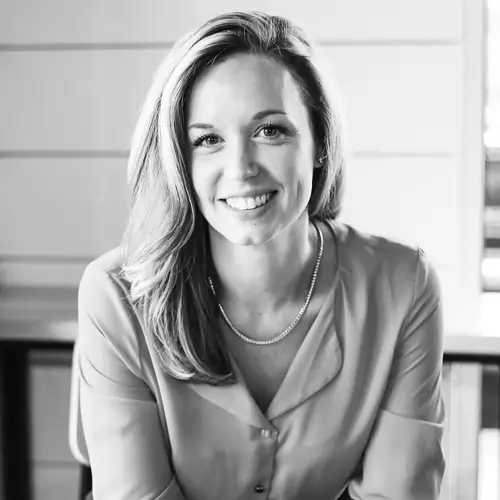
About the Speakers

Key Takeaways
• Trust is shaped through everyday interactions
• Small points of friction compound over time
• Systems should simplify, not add complexity
• Consistency builds confidence across your audience
• Strong experiences create long-term support
Stay Close to These Conversations
We share practical insights on leadership, systems, and
sustainable growth each week.
Simple ideas you can apply immediately.
Related Replays

Why Predictability Builds Trust in Nonprofit Fundraising
A grounded conversation on how nonprofit leaders can protect donor trust, deepen relationships, and use technology without losing the human…

Your Message Is Getting Lost. Visual Storytelling for Nonprofits
A grounded conversation on mental health, community care, and why lived experience must lead system design.

When the System Fails Us. A Human Approach to Mental Health and Community
A grounded conversation on mental health, community care, and why lived experience must lead system design.


